Amir Long · 22 October 2026
How Tiny Church Tower Models Support Interactive Exhibits Teaching Historical Preservation to Local School Groups
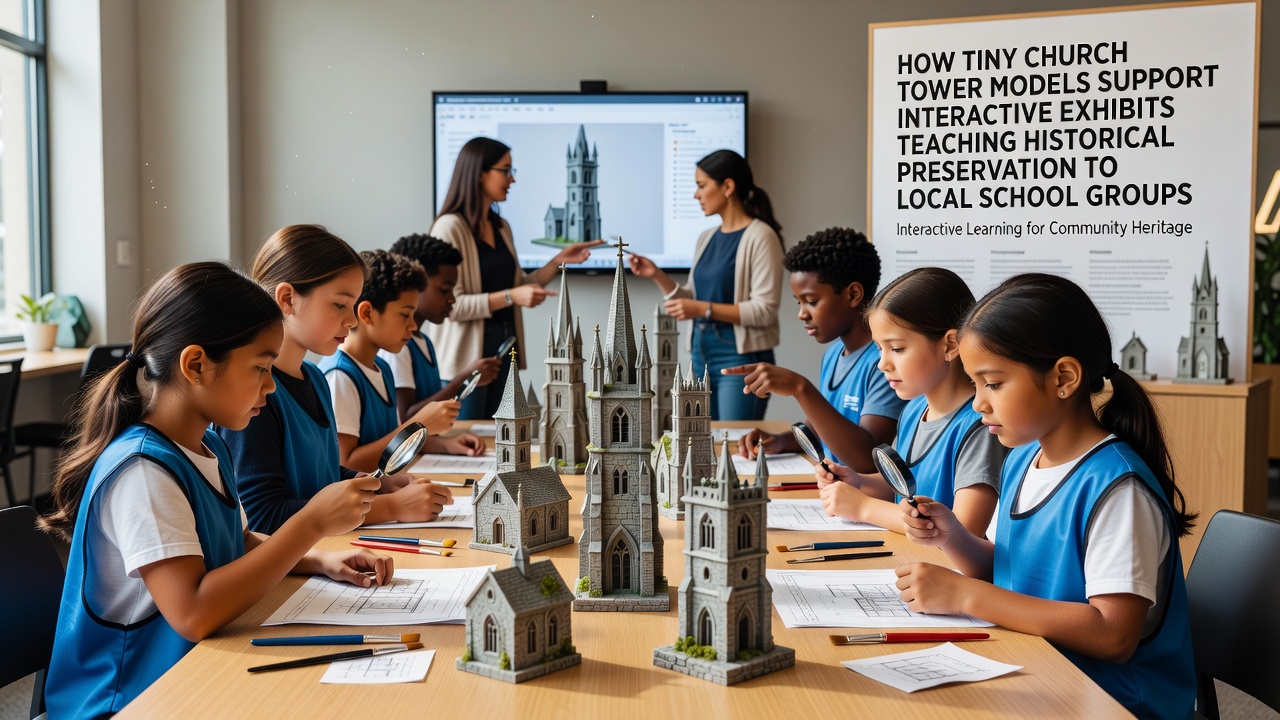
Scaled church tower models serve as central tools in interactive exhibits designed to introduce local school groups to historical preservation practices, and these physical replicas allow students to explore structural elements that define regional heritage buildings without accessing protected sites directly. Educators integrate the models into hands-on stations where participants assemble components, measure proportions, and identify materials that have withstood centuries of environmental stress, while data from multiple heritage programs shows that such tactile approaches increase retention of preservation concepts compared to lecture-only formats.
Core Mechanisms Behind Model Integration
Exhibit designers construct these towers at reduced scales using accurate reproductions of stonework, timber framing, and roofing systems found in actual church structures, and the models incorporate modular sections that detach to reveal interior support systems along with hidden decay patterns that preservation teams commonly address. School groups rotate through activity zones where they apply conservation techniques such as mortar mixing simulations or crack monitoring exercises, and researchers tracking similar programs in European heritage centers report that students complete tasks with higher accuracy after repeated model interactions. The approach connects abstract policy discussions about building codes to concrete physical evidence, which helps bridge classroom theory with field realities that local preservation officers encounter during site assessments.
Educational Outcomes Observed Across Regions
Programs utilizing these models have expanded in North America and Australia since 2024, with participating districts noting measurable gains in student understanding of heritage legislation and restoration funding mechanisms. In one documented series of workshops, groups examined how tower models demonstrate load distribution and weatherproofing strategies, then compared findings against archival photographs of the original buildings. October 2026 will see additional rollouts in several Canadian provinces where provincial heritage agencies have partnered with schools to align model-based lessons with updated curriculum standards on cultural resource management. These sessions emphasize that preservation decisions rely on evidence gathered through detailed examination rather than assumptions, and figures from ongoing evaluations indicate sustained student interest when models remain available for follow-up visits.
Case Examples from Community Partnerships
One school district in regional Australia incorporated scaled tower replicas into a traveling exhibit that visited multiple campuses, allowing students to document changes in masonry techniques across different eras while working alongside volunteer preservation specialists. Observers noted that participants often identified previously overlooked details such as drainage channels or joint reinforcements after manipulating the models for several minutes, and similar patterns emerged in UK-based initiatives where local councils supplied supplementary documentation for cross-referencing. The models also facilitate group discussions about community involvement in heritage decisions, since students can rearrange elements to simulate restoration options and then evaluate trade-offs between authenticity and structural safety requirements.
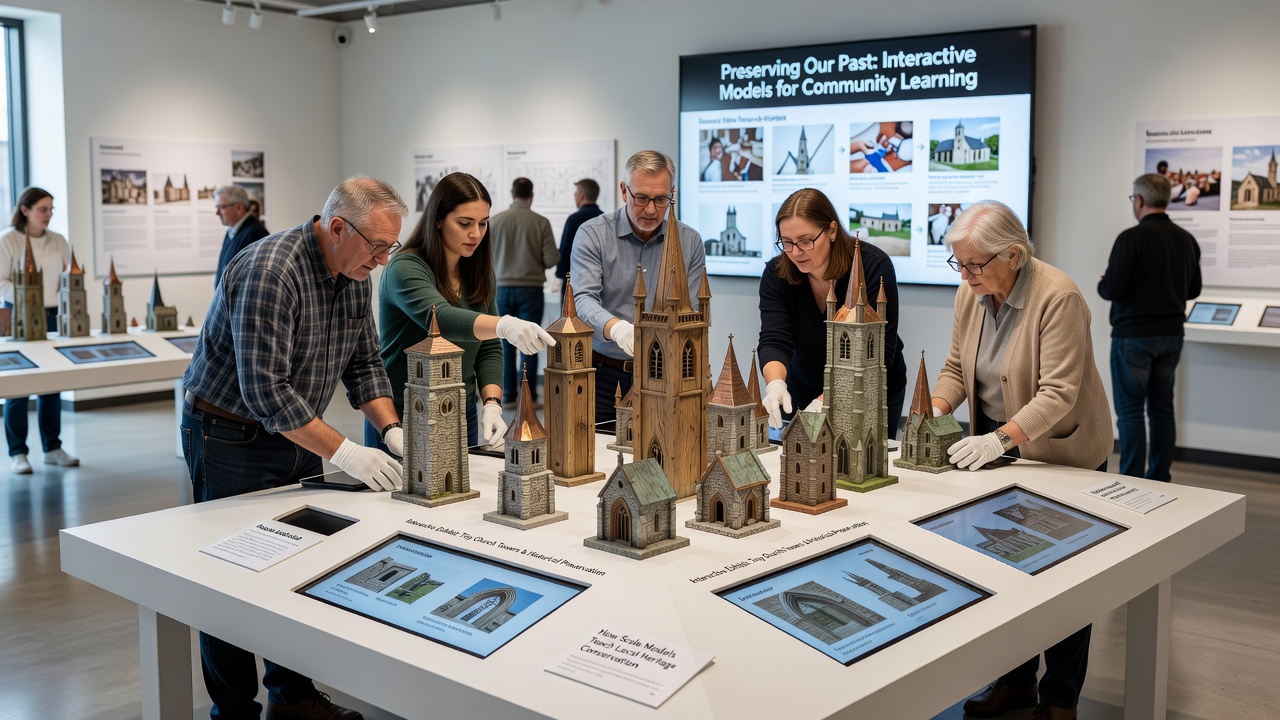
Additional programs in the United States have paired the physical models with digital overlays that project historical timelines onto the replicas, enabling learners to trace ownership records and repair histories that span multiple generations. Data collected through these combined formats reveals that students retain specific terminology related to preservation ethics at higher rates when they perform direct manipulations rather than viewing static images alone.
Logistical Considerations for Exhibit Deployment
Institutions planning these exhibits must coordinate with local historical societies to ensure model accuracy matches documented building specifications, and transportation logistics require protective casing that preserves fine details during travel between schools. Training for facilitators focuses on guiding questions that prompt students to consider material sourcing, labor practices from earlier periods, and ongoing maintenance challenges that face volunteer-run preservation groups. Evidence from multiple implementations suggests that exhibits achieve broader reach when scheduled during regular curriculum blocks rather than as standalone events, allowing teachers to connect model activities to existing units on local history and civic responsibility.
Conclusion
Church tower models continue to function as reliable anchors for interactive preservation education across diverse school settings, providing consistent platforms for skill development that align with regional heritage objectives. As programs prepare for expanded sessions in October 2026, the documented patterns of student engagement and knowledge retention support further refinement of these exhibit formats to meet evolving educational needs.