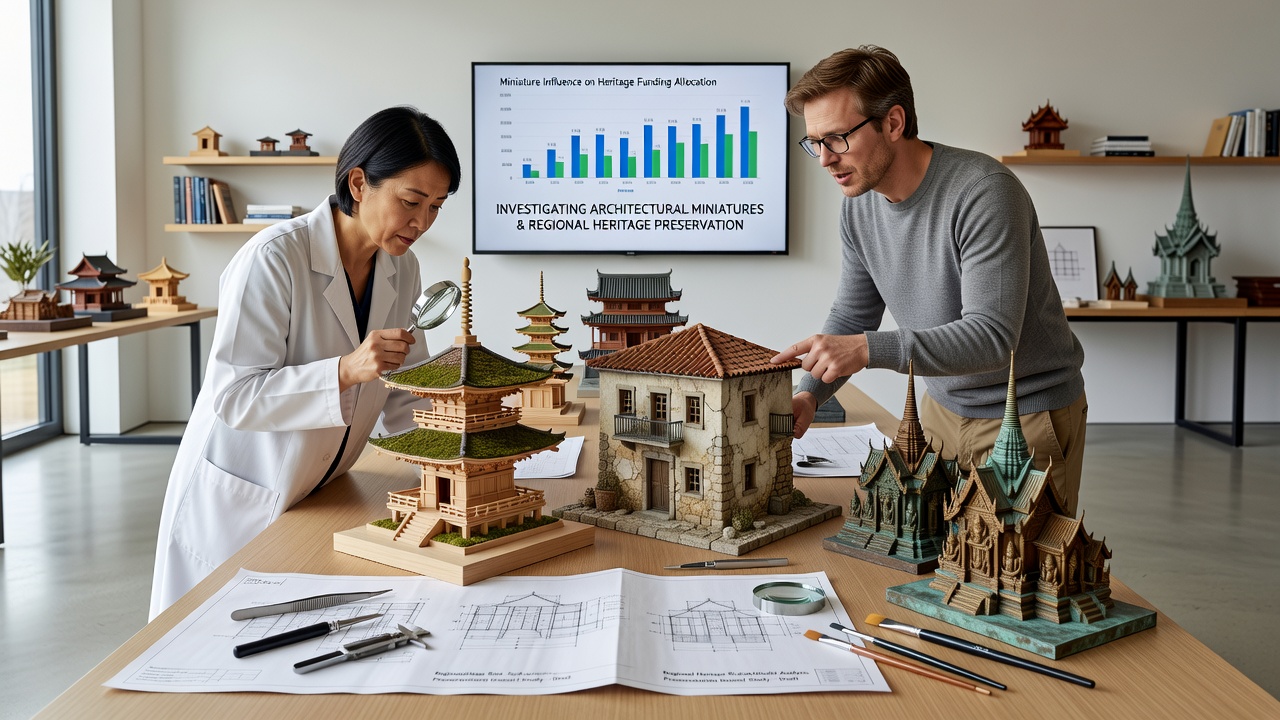
Viktor Hoffmann · 10 September 2026
Investigating Architectural Miniatures and Their Influence on Regional Heritage Preservation Efforts
Architectural miniatures serve as scaled physical representations that help document and analyze historic structures across various regions, and these models often support preservation teams when they plan restoration work or assess structural vulnerabilities before full-scale interventions begin. Researchers at institutions focused on cultural heritage have documented cases where miniature versions of buildings allowed precise examination of facade details and load-bearing elements that might otherwise remain difficult to inspect on site, particularly in remote or restricted locations.
Historical Development of Miniature Techniques in Heritage Contexts
Early practitioners in the nineteenth century created wooden and plaster miniatures to record architectural features in European towns where rapid urbanization threatened older districts, and those initial efforts laid groundwork for later systematic approaches that combined measurement data with three-dimensional forms. Over subsequent decades, specialists in North America adopted similar methods when cataloging frontier-era settlements, while teams in Asia refined casting techniques to capture intricate temple ornamentation that required repeated reference during conservation campaigns.
Data collected by heritage organizations shows that miniature production increased notably during the mid-twentieth century as post-war reconstruction projects demanded accurate reference materials, and archives in several countries still hold collections that continue to inform contemporary studies. Those collections frequently reveal construction sequences and material choices that archival photographs alone cannot convey with the same spatial clarity.
Applications in Modern Preservation Planning
Preservation professionals integrate architectural miniatures into workflows that include digital scanning, because the physical models provide tactile feedback that highlights surface textures and joint patterns sometimes lost in virtual renderings. In one documented project along the Australian coast, conservators used scaled replicas to test protective coatings on masonry before applying them to the actual lighthouse structures, which reduced trial-and-error costs and minimized direct handling of fragile originals.
Community education programs also rely on these miniatures when presenting heritage sites to local residents and visitors, since hands-on interaction encourages greater public support for funding measures that protect regional landmarks. Figures released by the Getty Conservation Institute indicate that sites offering miniature exhibits recorded higher attendance at interpretive sessions compared with locations relying solely on panels and digital kiosks.
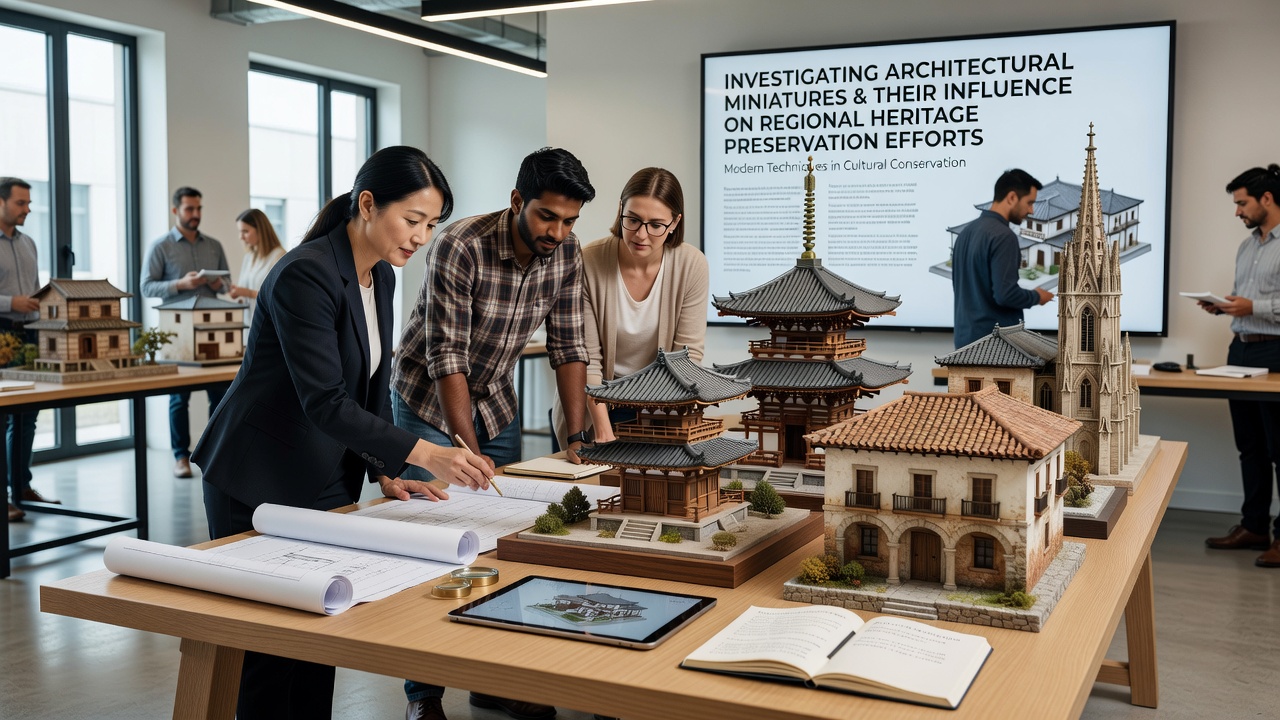
Regional Case Examples and Data Trends
Observers note that Canadian heritage agencies have incorporated miniature modeling into assessments of indigenous community buildings, where climate-related deterioration demands careful monitoring of wood and thatch elements over multiple seasons. Similar practices appear in Scandinavian countries, where models assist in evaluating how traditional stave churches respond to humidity fluctuations recorded through long-term environmental sensors.
September 2026 marks the scheduled launch of a collaborative database by several Pacific Rim institutions that will catalog miniature collections from multiple nations, allowing researchers to cross-reference construction techniques across climates and building traditions. Preliminary reports suggest this resource could streamline comparative studies that previously required physical travel between distant archives.
European Union funded initiatives have tracked how miniature use correlates with faster permit approvals for restoration grants, because planning authorities gain clearer visualizations of proposed interventions when reviewing scaled proposals alongside technical drawings. Statistics compiled by national heritage bodies in Italy and Spain show reduced revision cycles when applicants submit both digital files and physical miniatures for evaluation.
Challenges and Technical Considerations
Creating accurate miniatures still requires skilled craftsmanship even as laser cutting and 3D printing become more accessible, because material properties must match the originals closely enough to predict weathering behavior under real conditions. Specialists report that mismatches in density or porosity can lead to misleading test results when evaluating protective treatments, so calibration against actual samples remains essential throughout the process.
Storage and transport of these models present additional logistical demands, particularly when traveling between field sites and laboratory settings, yet organizations continue to invest in protective cases and climate-controlled facilities to maintain collection integrity over decades. Training programs at universities now include modules on miniature fabrication alongside courses in photogrammetry and structural analysis, reflecting the continued relevance of physical models within multidisciplinary teams.
Conclusion
Architectural miniatures maintain a documented role in regional heritage preservation by supplying tangible references that complement emerging digital tools and support decision-making across diverse geographic contexts. Ongoing projects scheduled for 2026 and beyond indicate sustained interest in refining these methods while expanding access to shared data resources that benefit researchers and practitioners alike.